
Did Grunge Kill Heavy Metal?

A Deep Analysis From a Launceston Metal Kid Who Lived Through It
Introduction — The Myth That Refuses to Die
For decades, one of the most persistent myths in rock history has been the claim that grunge “killed” heavy metal. It’s a neat story: Nirvana releases Nevermind in 1991, MTV changes overnight, and metal supposedly vanishes.

But myths are simple. Reality is not.
I lived through this transition. I wasn’t reading about it years later — I was a young metal kid in Launceston, Tasmania, spending every spare dollar at Wills Record Shop. One afternoon, the young lady behind the counter — who knew my taste for anything loud, fast, and heavy — handed me Nevermind and said, “This is the next big thing.”
She was right. It took me a few listens, and I loved it. But metal was still in my veins.
This article is my attempt to tell the real story — the economic, cultural, and industry forces that shaped the early 1990s, the oversaturation that weakened hair metal from within, the artists who adapted, and the ones who didn’t. And ultimately, to show that heavy metal didn’t die.
It evolved. It survived. It endured. And today, it thrives.
The 1980s: Excess and the Party Lifestyle
Hair metal didn’t appear in a vacuum — it was born from the cultural climate of the 1980s. Financial deregulation, speculative investment, corporate excess, neon consumerism, and MTV’s glossy production values created a world obsessed with spectacle.
Hair metal reflected that world perfectly. It was big, loud, glamorous, indulgent, and unapologetically excessive. It was music for people who felt invincible.
But no era lasts forever.
The Early 1990s: The Economic Hangover
Then came the crash.
In Australia, it was “the recession we had to have.” Interest rates soared, unemployment spiked, GDP contracted, and optimism evaporated. Similar downturns hit the US and UK. The cultural mood shifted from celebration to introspection.
The world changed — and when the world changes, culture changes with it.
The early 90s were defined by cynicism, anxiety, disillusionment, and a desire for authenticity. The neon glow of the 80s dimmed. The party ended. And when the party ends, party music stops making sense.
Hair metal’s themes — sex, glamour, escapism — suddenly felt disconnected from reality.
This is the moment grunge entered the mainstream.
Grunge: A Cultural Mirror, Not an Assassin
Grunge didn’t kill metal. Grunge reflected the world.
It resonated because it captured the emotional reality of the early 90s: rawness, vulnerability, frustration, anti‑corporate sentiment, and a rejection of excess. It wasn’t polished or glamorous — it was honest.
And honesty was exactly what the world wanted.
Even Eddie Trunk — one of the most respected voices in the metal community — has said that grunge didn’t destroy metal, but it did make metal seem “uncool” to the mainstream for a while. His point is important: grunge didn’t kill metal’s spirit, but it changed metal’s perception in the eyes of the industry and MTV.
Metal didn’t die. Metal simply stopped being fashionable.
Oversaturation: The Genre Collapse From Within
If economic and cultural shifts weakened hair metal, oversaturation finished the job.
After Guns N’ Roses exploded, labels signed every band with long hair and a hint of attitude. The market flooded with clones. The songwriting became predictable. The aesthetic became cartoonish.

Bands like Pretty Boy Floyd, Nelson, Tuff, Shotgun Messiah, and Nitro are often cited as examples of this late‑stage oversaturation — the moment when glam metal became more caricature than culture.
And here’s my personal aside:
I actually like these bands.
I still play them. I still defend them. Metal is metal — and I love it all.
But even as a fan, I can acknowledge the truth: Oversaturation weakened the genre.
Jason McMaster from Dangerous Toys summed it up perfectly: the industry signed too many clones, and when the climate changed, the entire crop collapsed at once.
Hair metal didn’t adapt. Grunge didn’t kill it — the market did.
Metal Was Still Alive: 1990–1993
Here’s the part of the story that destroys the myth completely.
While grunge was rising, metal was still selling millions of records. Some of the biggest metal albums ever were released during grunge’s peak.
1990 Highlights
Empire (Queensrÿche) — multi‑platinum
Cowboys from Hell (Pantera) — platinum
Rust in Peace (Megadeth) — platinum
Seasons in the Abyss (Slayer) — gold
Painkiller (Judas Priest) — gold

1991 Highlights
Metal wasn’t dying. Metal was thriving.
Grunge Albums Metalheads Respect
Even metalheads give a nod to certain grunge albums because they carry metal DNA:
Nirvana – Nevermind
Alice in Chains – Facelift
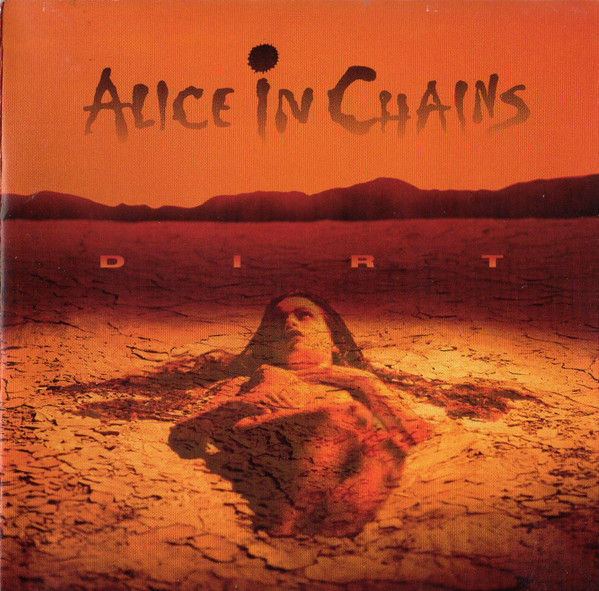
Alice in Chains – Dirt
Soundgarden – Badmotorfinger
Stone Temple Pilots – Core
These albums didn’t kill metal — they expanded it.
Artist Perspectives — Dio’s Balanced View
Ronnie James Dio’s perspective is one of the most mature and honest of the era. He
didn’t resent grunge — he respected it.
He praised Nirvana’s raw energy and Cobain’s vocal harmonics. He admired Soundgarden’s unconventional writing. And he famously said:
“Good music is good music. I don’t care what you call it.”
During the 90s, Dio’s tours moved from arenas to clubs, but he adapted. Albums like Strange Highways and Angry Machines embraced darker, heavier production. He toured relentlessly worldwide and resurged in the 2000s with Heaven & Hell.
Dio didn’t fear grunge. He evolved through it.
Metal Today — Stronger Than Ever
But the Big Four of grunge — Nirvana, Alice in Chains, Soundgarden, Stone Temple Pilots — all lost their iconic frontmen.
Grunge’s spirit lives on, but its original voices are gone.
Metal’s voices remain. Metal’s legacy endures. Metal’s community thrives.
Here’s the final nail in the coffin of the “grunge killed metal” myth:
Metal is stronger today than at any point since the 1980s.
Judas Priest still sells out arenas.
Iron Maiden remains one of the biggest touring bands on Earth.
Metallica continues to dominate stadiums worldwide.
Ozzy’s legacy is revered across generations.
Guns N’ Roses overcame decades of turmoil and are rumoured to be recording new material.
Thrash metal is massive again — Testament, Kreator, Exodus, and Anthrax all thriving.
Alice in Chains continues with William DuVall, honouring the legacy of Layne Staley.
Stone Temple Pilots still perform with new vocalists.
Conclusion — Metal Was Never Dead
So did grunge kill heavy metal?
No. It didn’t. And it never did.
Hair metal collapsed because the world changed. Oversaturation weakened the genre.
The industry chased trends. Grunge reflected the mood of the era.

Metal didn’t die. Metal adapted. Metal evolved. Metal survived.
And today, metal stands stronger than ever — a global force, a cultural pillar, and a genre that outlived every trend thrown at it.
For kids like me — standing in Wills Record Shop in Launceston, holding Nevermind in one hand and a stack of metal CDs in the other — metal never left our veins.
It never will.


Comments